Dog Mama Design: A Real-World Embroidery Review
First Impressions: Warm, Clear, and Instantly Recognizable
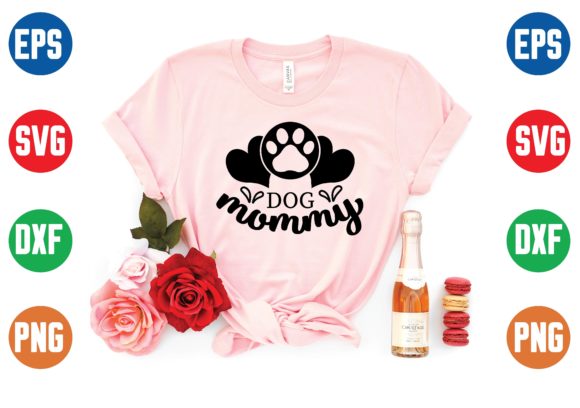
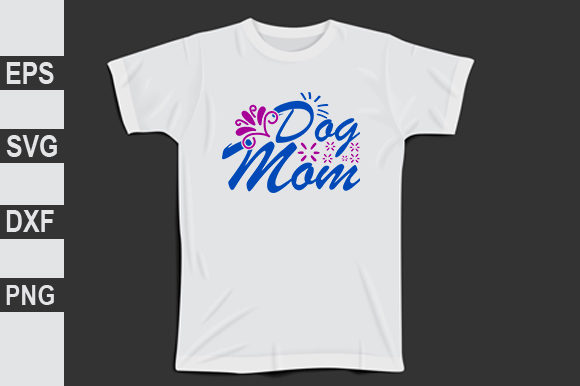
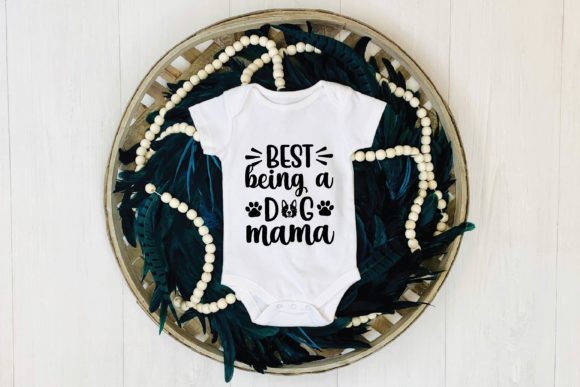
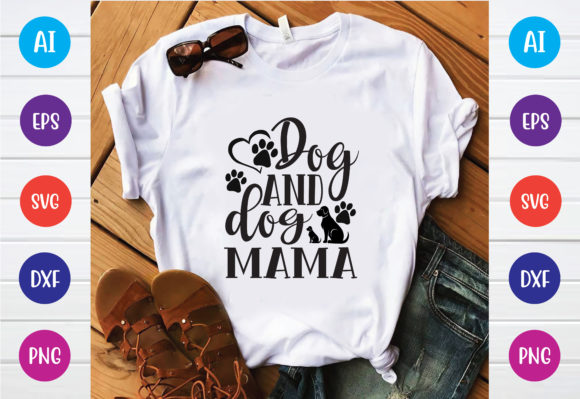
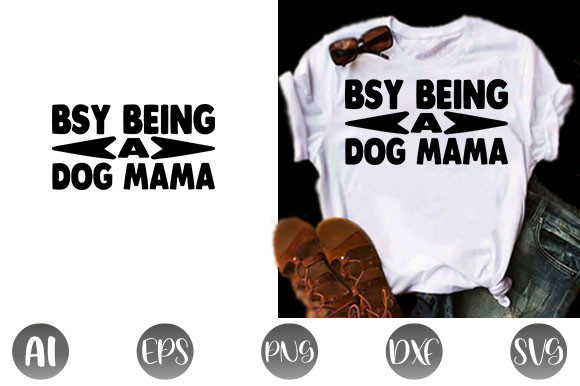
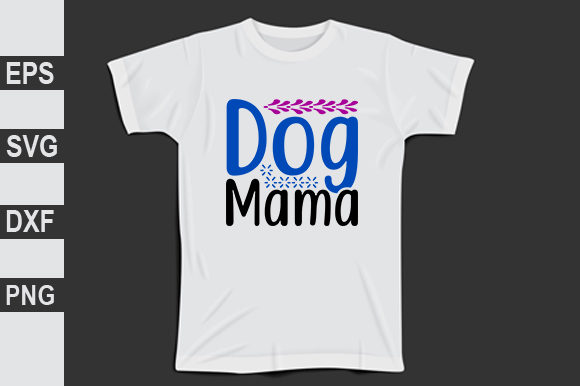
Opening the Dog Mama Design ZIP file feels like unboxing a well-organized creative tool—not flashy, but dependable. The clean layout across EPS, SVG, PNG, and DXF files tells me this was built for flexibility, not just one platform. Visually, it’s got that effortless charm: bold “DOG” stacked over “MAMA” in a friendly, rounded sans-serif with subtle paw prints dotting the “O”s and “A”s. It doesn’t shout—it smiles. That warmth is exactly what makes it work so well for handmade products meant to be *felt*, not just seen: think baby onesies, linen tea towels, or canvas tote bags for dog-loving moms at craft fairs.
Where It Shines: Real Projects, Real Customers
I tested Dog Mama Design on a medium-weight cotton twill tote bag—no lining, no fuss—and it landed perfectly. The letterforms held crisp edges under satin stitch, and the paw details stayed legible without overcrowding. For sweatshirt embroidery? Yes—but only on mid-to-heavy fleece. The design’s moderate width (no ultra-thin stems or hairline serifs) means it reads cleanly even with slight fabric distortion. As a machine embroidery design, it avoids dense fill-stitch traps; there’s breathing room between letters, which helps prevent puckering on stretchy knits. I also ran it as an embroidered patch on denim—backed with tear-away stabilizer—and the result looked boutique-ready, not DIY-casual.
It’s especially strong for baby embroidery and nursery decor. On a soft cotton muslin pillow cover, the simplicity kept it gentle and gender-neutral—no glitter, no cutesy clichés. And for holiday embroidery? Pair it with a simple red-and-cream thread palette on a kitchen towel, and you’ve got a gift that feels personal, not mass-produced. Etsy sellers will appreciate how easily it translates into printable mockups: the SVG and PNG files scale cleanly for listing thumbnails, and the EPS works flawlessly in Adobe Illustrator for branding consistency across shop banners and packaging labels.
Where to Pause: Fabric, Fit, and Function
This isn’t a one-size-fits-all embroidery file. On thin fabrics like rayon challis or lightweight voile, the letter height and stroke weight demand extra care—use cut-away stabilizer and reduce top tension slightly to avoid shadowing. On dark fabric, test your thread colors early: light tan or heather grey reads warmer and more natural than stark white, especially for “MAMA.” Avoid using Dog Mama Design on curved surfaces like structured caps unless you’re confident in your hooping technique—the lack of tight corners helps, but the horizontal span still needs solid stabilization.
Small hoop sizes (under 4×4 inches) are doable, but only if you’re willing to split the design. The full layout fits comfortably in a 5×7 hoop, and that’s where it performs best. Tiny lettering isn’t the focus here, so don’t force it down to 2 inches tall—that’s where detail starts to blur, especially in fill-stitch areas. Also, skip high-density decorative accents around the paws unless you’re doing applique design work; the original graphic doesn’t need them, and adding extras risks overwhelming the clean message.
Design Assets That Build Trust—Not Just Aesthetics
What makes Dog Mama Design valuable for a craft business isn’t just how it looks stitched—it’s how it makes the *buyer* feel. When a customer orders a personalized gift, they’re buying sentiment, not software. This design delivers that quietly: no irony, no trend-chasing, just sincerity with craft-level polish. That builds trust faster than any sales copy. For small shop product listings, it photographs well in natural light—no harsh shadows, no pixelation in the PNG previews—and maintains brand consistency whether used on apparel, patches, or digital embroidery file bundles.
And yes, it scales gracefully across commercial embroidery projects. I ran it through a production run of 20 matching aprons for a local pet bakery, and each piece held consistent stitch clarity—even after three rounds of washing in cold water. That durability matters when your finished product represents your shop’s reputation.
Practical Notes Every Embroidery Designer Should Check
- Test first on scrap fabric matching your final project’s weight and stretch—especially for custom apparel or baby embroidery.
- Review stitch density before loading: while the design avoids extreme density, always verify thread path flow in your embroidery software.
- Confirm hoop size—the full layout is optimized for 5×7, but check your machine’s limits if scaling.
- Inspect small details in both black and white mockups—paw prints should remain distinct on light and dark backgrounds.
- Use proper stabilizer: tear-away for stable wovens, cut-away for knits, and fusible for lightweight linens.
- Verify licensing before selling finished items or bundling the digital embroidery file—this applies whether you’re an Etsy seller, boutique owner, or freelance embroiderer.
Final Thought: Less Is More—When It’s Done Right
Dog Mama Design succeeds because it respects the craft. It doesn’t try to be everything—a script monogram, a floral wreath, a layered applique design. It’s a confident, centered statement. That focus makes it versatile *and* memorable. Whether you’re stitching a last-minute holiday embroidery gift or building a cohesive line of T-Shirt Designs for your small shop, this graphic holds its ground without demanding attention. It’s the kind of design that disappears into the product—then reappears, warmly, every time someone smiles at their dog and touches the stitch.