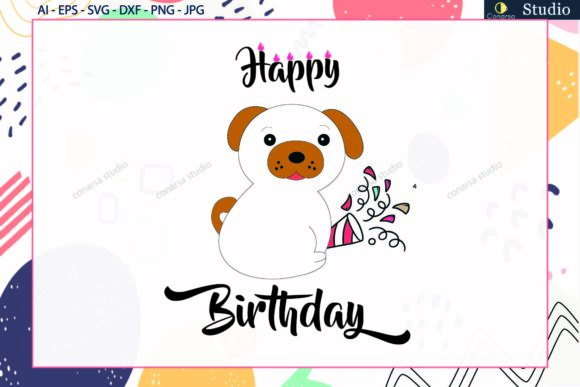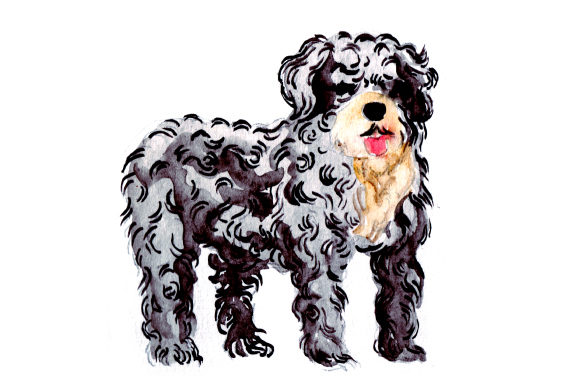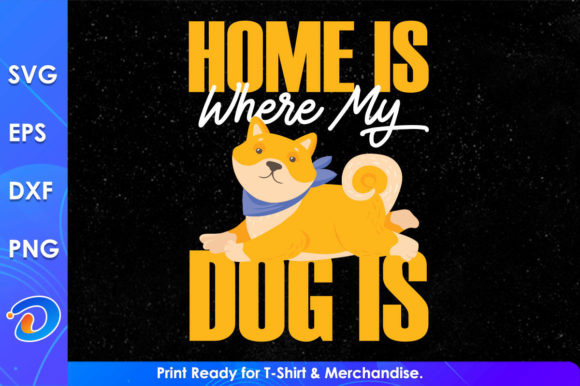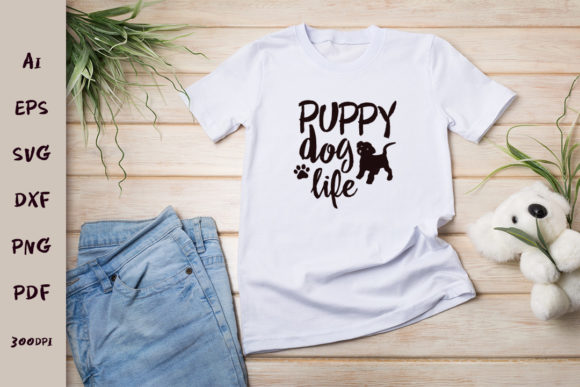
Dog Brown SVG EPS JPG PNG
A Warm, Simple Silhouette That Works—If You Choose the Right Project
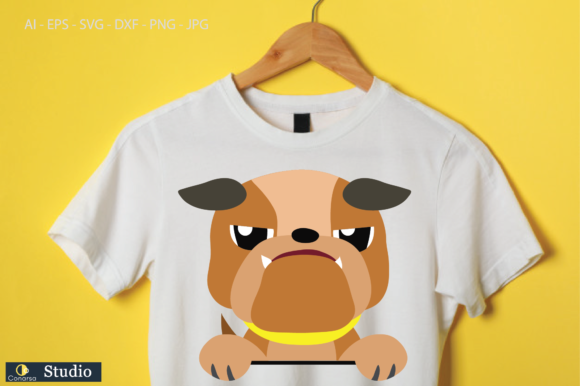
As someone who’s stitched hundreds of dog-themed designs onto baby onesies, boutique tote bags, and holiday aprons, my first impression of Dog Brown SVG EPS JPG PNG was immediate: it’s a grounded, friendly icon—not fussy, not cartoonish, not overly detailed. It reads as warm and approachable at a glance, with clean outlines and a gentle curve to the back and head. That simplicity is its biggest strength—and its main limitation.
Where This Design Truly Shines (and Where It Doesn’t)
I recently used Dog Brown SVG EPS JPG PNG on a set of linen tea towels for a local gift shop. The design was centered just below the top hem, sized to 3.5 inches wide. On that flat, tightly woven fabric? It stitched cleanly, held shape after two machine washes, and looked handmade—not digital. Customers commented on how “calm” and “cozy” the dog felt next to hand-stitched monograms and botanical prints. That’s the sweet spot: neutral-toned, medium-weight fabrics where subtlety reads as intention—not lack of detail.
But I also tried it on a lightweight cotton baby onesie—same size, same stabilizer—and the outline softened too much in the chest area. The brown tone didn’t pop against the heather grey fabric, and the minimal negative space made the stitch definition feel vague up close. So while Dog Brown SVG EPS JPG PNG is versatile in format, it’s selective in execution. It’s not built for high-detail embroidery projects like intricate applique designs or multi-layered satin stitch portraits. It’s an Icons-grade graphic: clear, scalable, mood-driven—not a technical showcase.
Real-World Fit Across Common Embroidery Projects
- Custom apparel: Works well on sweatshirts and structured tote bags—especially when paired with a subtle border or single-color thread. Avoid on thin t-shirts unless you reduce size to under 2.75 inches and use tear-away + cutaway stabilizer combo.
- Baby embroidery: Safe for bibs and burp cloths if hooped carefully and stitched with soft poly thread—but skip it for newborn caps. The shape doesn’t scale down gracefully below 2 inches without losing legibility.
- Embroidered patch: Excellent candidate. Its solid silhouette converts cleanly to a merrow-edged patch. No internal details mean fewer thread breaks during mass production.
- Holiday embroidery & personalized gifts: Fits beautifully on kitchen towels, pillow covers, and canvas market bags—especially when styled alongside seasonal text (e.g., “Paws & Pinecones” or “Biscuits & Berries”). It reads as timeless, not trend-dependent.
- Commercial embroidery & Etsy listings: A smart choice for sellers offering minimalist pet-themed bundles. Because it’s offered in AI, EPS, SVG, DXF, JPG, and PNG, you can prep vector files for digitizing, mockups for listings, and raster previews for social ads—all from one source. Just remember: the 1920 px × 1280 px canvas gives breathing room, but your final embroidery file must be re-digitized for stitch logic, not just scaled.
Use With Care: Five Situations That Challenge This Design
- Stretchy or textured fabrics: Knits, fleece, and terry cloth exaggerate any slight irregularity in line weight. The smooth contour of Dog Brown SVG EPS JPG PNG can blur or “swim” if stabilizer isn’t precisely matched to fabric recovery.
- Dark or heavily dyed backgrounds: The brown tone in the JPG/PNG previews may not translate directly to thread. Always test stitch with your actual thread palette—especially on navy, charcoal, or burgundy garments.
- Curved surfaces like caps or hats: The shape lacks directional anchors (no collar, no leash, no ground line), so it can appear slightly unmoored on rounded crowns. Consider adding a tiny base line or subtle shadow in your digitizing stage.
- Frequent-wash items: While the outline is strong, fine interior curves (like the ear fold) may soften over time on low-density fill stitch. If durability matters—think kids’ backpacks or café aprons—reinforce those zones with a light satin stitch border.
- Brand-critical applications: As a Graphics asset, it’s expressive but not distinctive enough to stand alone as a logo. Use it as a supporting element—not your primary mark—unless you’re intentionally going for quiet, illustrative branding.
What This Design Says About Your Finished Product
When customers see Dog Brown SVG EPS JPG PNG stitched on a handmade product, they don’t read “digital file.” They read “thoughtful,” “gentle,” and “made with care”—but only if it’s applied with intention. A poorly hooped version on a wrinkled towel undermines that impression fast. Done right, though, it elevates perceived value: it feels curated, not generic. That matters whether you’re pricing a $42 embroidered pillow cover for your small shop or listing a $12 digital embroidery file for fellow crafters.
It also builds trust. Buyers recognize when a design respects fabric behavior—and this one does, as long as you honor its natural boundaries. It won’t overwhelm a delicate baby blanket, nor will it vanish on a heavyweight denim jacket. That balance is rare in stock icons.
Practical Designer Notes Before You Stitch
- Always test Dog Brown SVG EPS JPG PNG on scrap fabric matching your final project’s weight, stretch, and color.
- Check stitch density in your digitized version—low-fill areas should still hold shape after washing.
- Review small corners and curves in your embroidery software: do they convert cleanly to running or satin stitch? Or do they need manual cleanup?
- Mock it up in black-and-white first—this design relies on shape, not contrast, so grayscale previews reveal clarity issues faster than color.
- Confirm licensing before selling finished embroidered goods or reselling the digital file. The listing says “digital product,” but commercial use rights aren’t stated—verify before scaling your craft business.
- Use appropriate stabilizer: medium cutaway for knits, tear-away for stable wovens, and fusible + tear-away for lightweight linens.