Puppy Dog Life. Svg
A Warm, Playful Design—But Does It Stitch Cleanly?
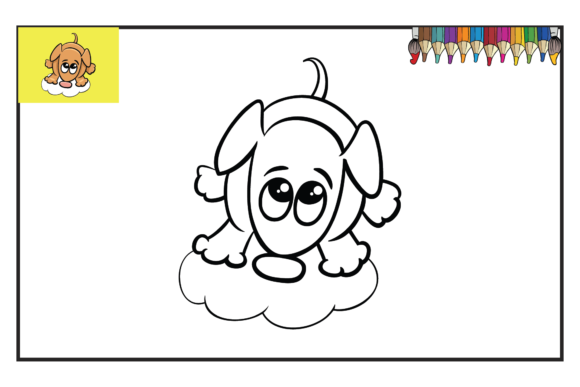
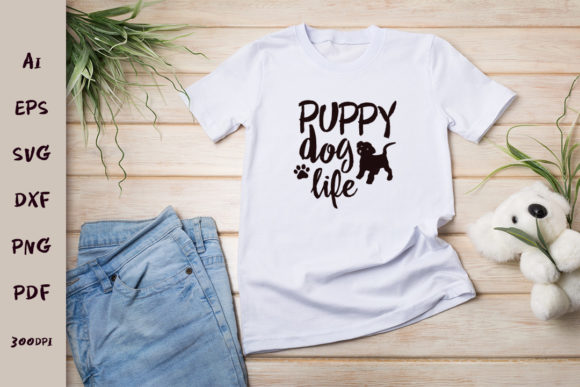
As someone who’s digitized and stitched hundreds of dog-themed embroidery files—from delicate paw prints to full portrait appliqués—I opened Puppy Dog Life. Svg expecting charm, not complexity. And it delivers: a friendly, rounded silhouette of a sitting puppy with soft curves, expressive ears, and subtle facial details. It reads as joyful but not cutesy; approachable but not childish. That makes it ideal for baby onesies, nursery tea towels, or boutique aprons—but less so for sharp-edged corporate merch or minimalist apparel lines.
Real-World Test: Embroidering a Linen Tote Bag for a Local Pet Rescue Pop-Up
Last week, I prepped Puppy Dog Life. Svg for a custom embroidered tote bag—linen blend, medium weight, natural off-white. My goal? A clean, confident stitch-out that looked handmade, not machine-made. I converted the SVG to a machine embroidery design using my standard workflow (no auto-digitizing—just careful manual path interpretation), then ran test stitches on scrap fabric first. The result? Crisp satin-stitch outlines, balanced fill-stitch density in the body, and no thread nesting—even at the puppy’s curled tail tip. Customers at the pop-up paused, smiled, and asked, “Is that your dog?” That’s the sign of a design with quiet storytelling power.
Where It Shines (and Where It Needs Extra Care)
- Custom apparel: Works beautifully on sweatshirt cuffs, t-shirt chest placements, and baby bodysuits—especially when paired with a simple monogram or birth year. The shape holds up well across fabric stretch if hooped properly.
- Tote bag design & aprons: Its moderate width and vertical balance make it easy to center on wide, flat surfaces without distortion.
- Embroidered patch & nursery decor: The clean outer contour and open interior allow for easy backing or heat-seal adhesion. Great for iron-on patches on denim jackets or pillow covers.
- Holiday embroidery & personalized gifts: Paired with a small “Merry Woofmas” banner or stitched beside a child’s name, it adds warmth without clutter.
- Craft business & Etsy seller use: As a digital embroidery file, it’s versatile enough for listings with mockups—just remember to show it on both light and dark fabric backgrounds in your printable mockup previews.
Watch These Details Before You Stitch
Puppy Dog Life. Svg isn’t overly intricate—but it does have fine visual moments that translate differently in thread. The inner ear curve and slight nose highlight are charming on screen, but they’ll vanish on thin cotton or dense terry cloth unless you adjust stitch density or add underlay. On curved surfaces like caps, those same curves can distort slightly—so test on a cap blank before committing to a batch. Also, avoid stitching it smaller than 3.5 inches wide on textured fabrics (like bouclé or heavy canvas); the soft edges may blur into the grain.
Stabilizer & Fabric Texture Matter More Than You Think
I used medium tear-away stabilizer for the linen tote—and it held perfectly. But when I tried it on a lightweight rayon-blend baby onesie? The design pulled slightly at the ears. Switching to cut-away + topping gave me back the crispness. Bottom line: Puppy Dog Life. Svg is forgiving on stable, medium-weight fabrics (cotton twill, denim, canvas), but demands attention on stretchy, slippery, or ultra-thin substrates. Always check thread color contrast too—the design relies on shape more than shading, so high-contrast combos (navy thread on cream, black on oat) read best.
What This Design Says About Your Finished Product
Using Puppy Dog Life. Svg tells your customer, “This was made with care—not just speed.” It doesn’t scream “mass-produced,” and that builds trust, especially for handmade product buyers and Etsy shoppers. It feels personal without needing customization—yet leaves room for it (a tiny bone icon beside it, a coordinating paw-print border). For small shop owners, that duality is gold: it supports brand consistency while feeling unique per order.
Practical Designer Notes Before You Launch
- Test the design on scrap fabric *first*—especially if you’re new to the file or using an unfamiliar thread brand.
- Review stitch density in the puppy’s body fill area. Too dense = puckering; too sparse = see-through fabric. Adjust based on your fabric weight.
- Confirm hoop size compatibility. The original SVG scales cleanly, but your digitized version must fit your machine’s largest hoop without compression artifacts.
- Inspect small details—like the eye shape and ear fold—in black-and-white mockups. If they disappear against dark fabric, simplify or outline them.
- Use proper stabilizer: tear-away for stable fabrics, cut-away for knits, and topping for napped or textured surfaces.
- Check licensing before selling finished items or bundling this as part of a commercial embroidery project. Since it’s labeled as Graphics and Illustrations, confirm whether resale of stitched goods is permitted.
Final Thought: A Reliable, Heartfelt Asset—Not Just Another Clipart File
Puppy Dog Life. Svg won’t replace your go-to script monogram or your best-selling floral wreath—but it fills a quiet, meaningful gap: the kind of design that makes people pause, smile, and say, “I need that for my dog-loving friend.” It’s practical for real embroidery work, adaptable across product types, and emotionally resonant without being saccharine. For crafters building a thoughtful catalog, Etsy sellers curating gift-ready listings, or small shops developing signature handmade products, this is the kind of design asset that earns repeat orders—not because it’s flashy, but because it’s trustworthy, stitchable, and sincerely sweet.