Dog Faces
First Impressions: A Friendly and Approachable Design
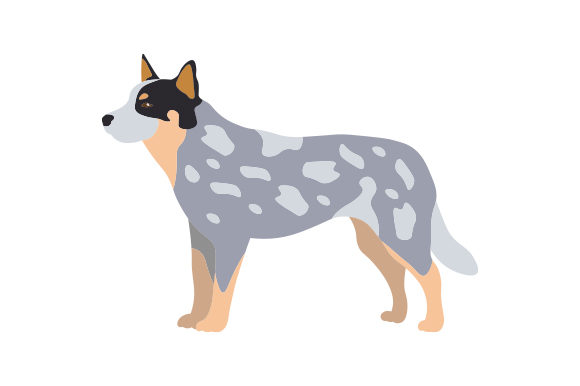
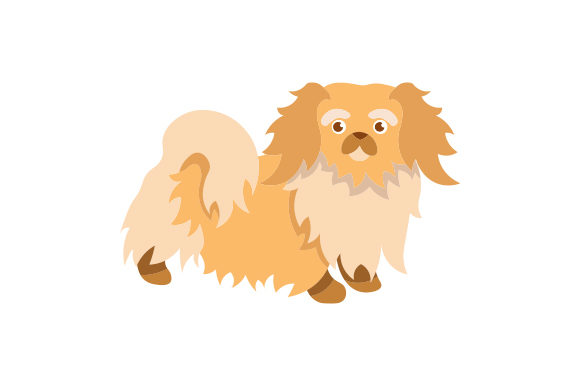
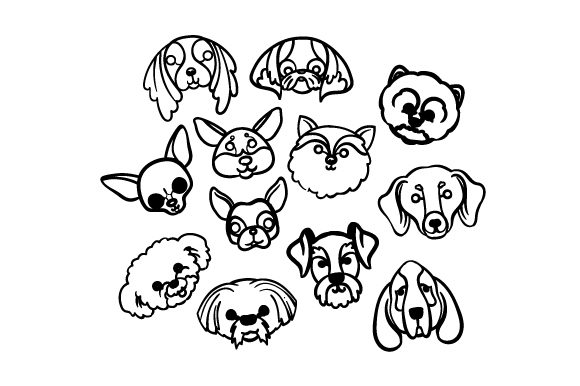
The moment I opened the Dog Faces design, I was struck by its warm and inviting vibe. The layout is clean, with each face rendered in a way that feels both playful and refined. The shapes are well-proportioned, and the details—like the eyes, ears, and expressions—are carefully balanced to avoid overwhelming the viewer. It’s a design that feels like it could be stitched onto a tote bag or a baby blanket without losing its charm.
What stood out most was the subtle use of shading and texture, which gives each dog face a three-dimensional quality. This is especially important for embroidery, where depth can make all the difference in how a design looks when stitched. The overall mood is cheerful, making it ideal for personalized gifts or boutique products aimed at pet lovers.
Real-World Use Case: Custom Embroidered Tote Bag
To test the design, I imagined using Dog Faces on a custom embroidered tote bag. The design would sit nicely in the center, surrounded by ample space for text or other elements. Its simplicity makes it versatile enough to work with different color schemes and fabric types.
I considered how the design would look on various fabrics. On cotton canvas, the Dog Faces would pop with vibrant thread colors, while on a darker fabric, the contrast might need careful attention. I also thought about stitch density—too dense and the design could become cluttered; too sparse and it might lose its character. This balance is crucial for maintaining visual appeal and clarity in the finished product.
Performance in Real-Life Embroidery Situations
Dog Faces performs well in a variety of applications, from custom apparel to holiday gifts. It’s particularly well-suited for sweatshirt embroidery, apron designs, and even patchwork projects. The design’s clean lines and consistent shape make it easy to scale and adapt, which is a big plus for small business owners and Etsy sellers looking for versatile design assets.
When it comes to commercial embroidery, the design’s simplicity ensures it won’t overwhelm the final product. It works well as a standalone feature or as part of a larger design. For example, using Dog Faces on a pillow cover or a tea towel adds a personal touch without distracting from the main purpose of the item.
Design Considerations for Specific Applications
While Dog Faces is generally reliable, there are some situations where it may require extra care. For instance, using it on small hoop sizes could result in a loss of detail, so it’s important to check the file format and adjust accordingly. Similarly, on textured fabrics or stretchy materials
It’s also worth considering how the design will hold up after repeated washing, especially if it’s intended for babies or daily use items. In such cases, proper stabilizer use and thread color contrast can significantly impact durability and appearance.
Visual Appeal and Customer Trust
The visual appeal of Dog Faces is undeniable. Its friendly and approachable nature makes it highly marketable for handmade products and personalized gifts. When customers see this design on a custom apparel piece or a handmade product, they’re likely to feel a connection, which enhances customer trust and brand consistency.
For craft businesses and Etsy sellers, the design’s versatility means it can be used across multiple product lines—from embroidered patches to digital embroidery files. This flexibility increases the potential value of the design, making it a solid investment for those looking to expand their offerings.
Practical Designer Notes
Before using Dog Faces in any project, I recommend testing it on scrap fabric first. This helps identify any issues with stitch density, hoop size, or thread color contrast. Checking the design in black and white mockups can also reveal how it holds up in different lighting conditions.
It’s also important to confirm whether the design is suitable for both personal and commercial use, especially if you plan to sell finished products or digital files. Always verify licensing terms before sharing or selling any design asset.
Finally, don’t forget to use proper stabilizer and consider the fabric texture when preparing your project. These small steps can make a big difference in the final outcome and ensure that Dog Faces looks as great in real life as it does on screen.