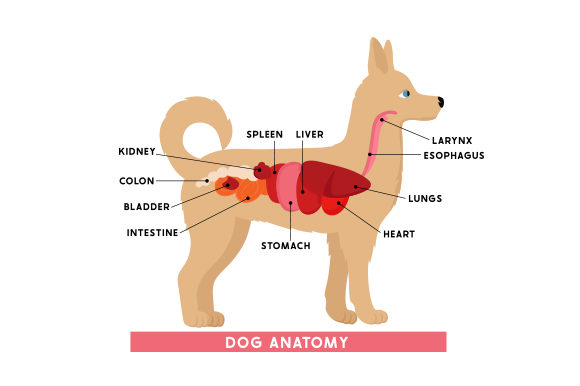
Anatomy of a Dog
First Impressions: A Detailed and Thoughtful Design
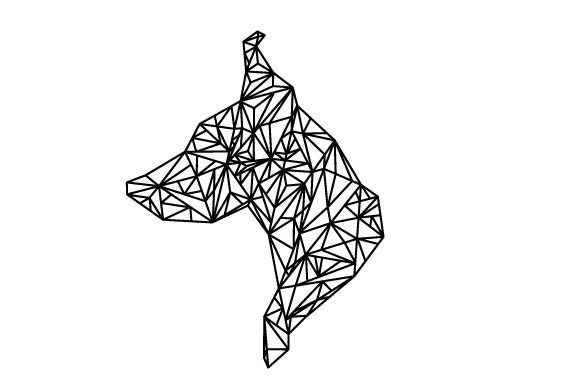
When I first laid eyes on Anatomy of a Dog, I was struck by its level of detail and the way it balances realism with artistic interpretation. The design feels both educational and decorative, making it versatile for a range of embroidery applications. The layout is clean, with clear sections that guide the eye through the anatomy of a dog—bones, muscles, organs, and even the fur texture. This kind of organization is a huge plus for designers who want to ensure their work is both visually appealing and easy to stitch.
A Perfect Fit for Custom Apparel and Personalized Gifts
Anatomy of a Dog has a strong presence that could easily translate into custom apparel like sweatshirts, t-shirts, or tote bags. Imagine a vintage-style tote bag embroidered with this design, perfect for a dog lover’s gift. The anatomical accuracy adds a unique touch that stands out in a market flooded with generic animal designs. It also works well as a personalized gift, especially for pet owners who appreciate the depth of the design.
For custom apparel, the design’s clarity is key. The lines are sharp, and the details are well-defined, which means it should stitch cleanly without too much overlap or confusion. However, I would recommend testing it on scrap fabric first, especially if you're using a new machine or thread color. This ensures that the design performs as expected when applied to real fabric.
Real-World Embroidery Scenarios
Let’s imagine a practical use case: a sweatshirt embroidery project for a local boutique. Anatomy of a Dog could be placed on the back of a hoodie, creating a subtle yet meaningful statement. The design’s size and complexity suggest it might work best in medium to large hoop sizes, which means careful planning is needed for smaller projects.
The design’s stitch density is moderate, which makes it suitable for most embroidery machines. However, the intricate details, such as the internal structures of the dog, require attention to thread color contrast. Using a light-colored thread on dark fabric may not yield the desired effect, so it's important to review the design in black and white mockups before committing to a final fabric choice.
Where to Use with Care
While Anatomy of a Dog is a powerful design, there are certain scenarios where it might not perform as well. For example, small hoop sizes can cause distortion, especially around the more detailed areas. Similarly, textured fabrics or thin materials may not hold up well under the weight of the embroidery, leading to puckering or uneven stitching.
Another consideration is dark fabric backgrounds. While the design has enough contrast to stand out, some areas might become less visible depending on the thread colors used. Testing on a variety of fabrics is essential to ensure the final product looks as intended. Additionally, stretchy fabrics like denim or cotton blends can stretch during the embroidery process, potentially affecting the design’s shape and alignment.
Design Quality and Visual Appeal
One of the strongest aspects of Anatomy of a Dog is its visual appeal. The design is not just an image—it’s a piece of art that tells a story. The balance between technical detail and aesthetic beauty makes it ideal for handmade products and personalized gifts. It has the potential to elevate a simple item into something meaningful and collectible.
From a branding perspective, this design offers a lot of flexibility. It can be used across different product lines, from craft business items to Etsy seller listings. The versatility of Anatomy of a Dog means it can be adapted to various styles, whether it's a minimalist approach or a more elaborate, detailed look.
Practical Designer Notes
As an experienced designer, I always recommend taking a few steps before jumping into a new project. First, test the design on scrap fabric to see how it behaves under real conditions. Check the stitch density and ensure that the hoop size is appropriate for the design’s scale.
Also, consider the use of stabilizer to prevent shifting and puckering, especially on delicate or stretchy fabrics. Review the thread colors carefully, and don’t forget to compare the design on both light and dark backgrounds. These small checks can make a big difference in the final result.
If you plan to sell finished items or digital products, be sure to confirm the licensing terms before proceeding. Anatomy of a Dog is a valuable asset, and ensuring proper usage rights will protect both your business and your customers.
Final Thoughts on Anatomy of a Dog
Anatomy of a Dog is more than just a design—it’s a thoughtful, well-crafted piece that has the potential to enhance a wide range of embroidery projects. Whether you’re creating custom apparel, personalized gifts, or commercial embroidery, this design offers a unique blend of detail and style that can elevate your handmade products.
With the right preparation and attention to detail, Anatomy of a Dog can become a standout feature in your portfolio. It’s a great choice for small shop products, printable mockups, and digital embroidery files that aim to deliver both quality and value to your customers.